 Y.M.D.R.A.B.
Mapping, assessing and improving the status of valuable species' populations
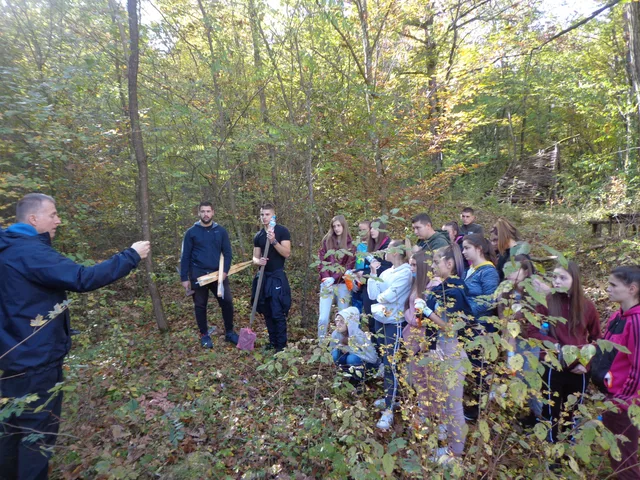
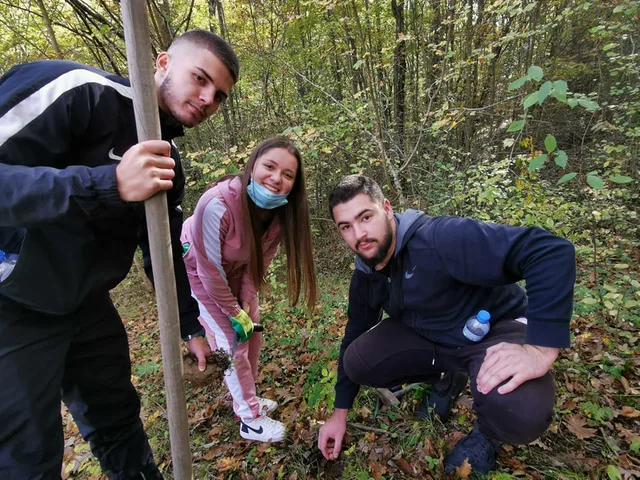
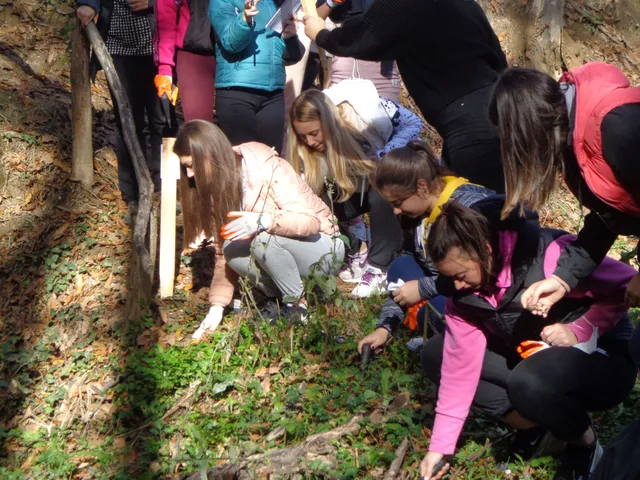
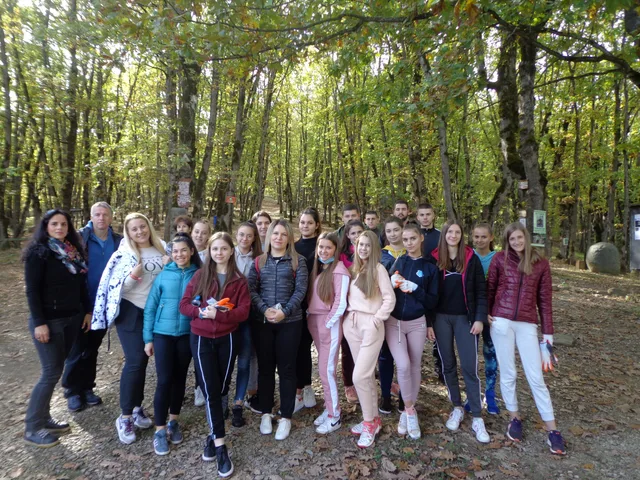
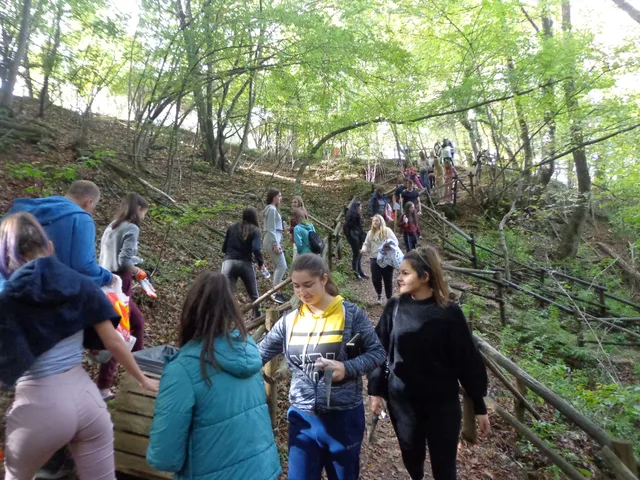
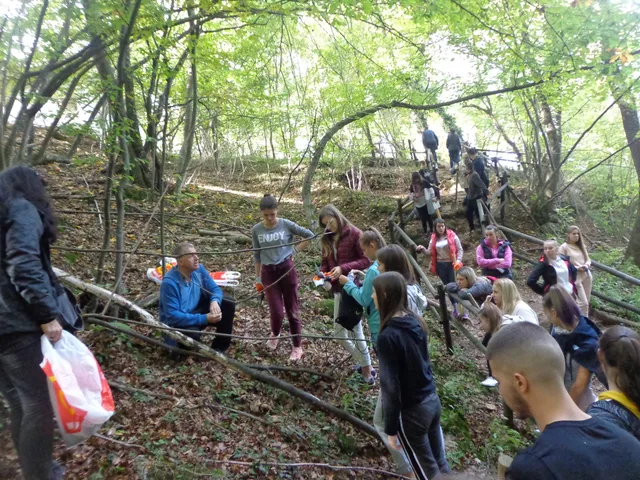
From the 23rd to the 25th of October we conducted a campaign for mapping, assessing and improving the status of valuable species' populations. The activity brought together 25 young people from Botevgrad and 3 forest scientists from the Forest Research Institute - BAS and the Sofia University. The aim of this activity was to protect the biodiversity of species with conservation status, honey plants and medicinal plants.
On the first day, the scientists introduced the youngsters to which plant species are valuable and why. They were introduced to different types of rare, protected, honey and medicinal forest plants, and what are the methods for preserving and improving the status of their populations.
On the next day in the morning, the young people and scientists visited and explored the oak forest of the Heavenly Pastures Park in village of Osikovitsa, and in the afternoon the beech forest around the Varovitets waterfall near the Etropole Monastery. In both forests, participants searched for populations of different valuable species. A total of 10 populations were found - 4 in the Heavenly Pastures (Nymphaea alba, Leucojum aestivum, Muscari comosum, Colchicum autumnale); and 6 around Etropole Monastery (Hepatica nobilis, Phyllitis scolopendrium, Asplenium trichomanes, Pulmonaria officinalis, Oxalis acetosella, Asperula odorata). The participants marked all populations with information signboards, established their geographical coordinates, counted the individuals in them and made pictures of the habitats. In addition, the youngsters increased the number of individuals in 8 of the valuable populations with planting materials (bulbs and rhizomes) taken from other populations growing on similar conditions.
On the last day, the participants created maps of the valuable populations. Finally, there was a discussion about the forest as part of the Bulgarian national culture and identity, and what is the role of young people in preserving our natural heritage.
This activity is implemented under project “For everyone saved a tree (FOREST)”. The project is co-funded by EU through the Interreg-IPA CBC Bulgaria–Serbia Programme.
This publication has been produced with the assistance of the European Union through the Interreg-IPA CBC Bulgaria-Serbia Programme, CCI No 2014TC16I5CB007. The contents of this publication are the sole responsibility of YMDRAB and can in no way be taken to reflect the views of the European Union or the Managing Authority of the Programme.
